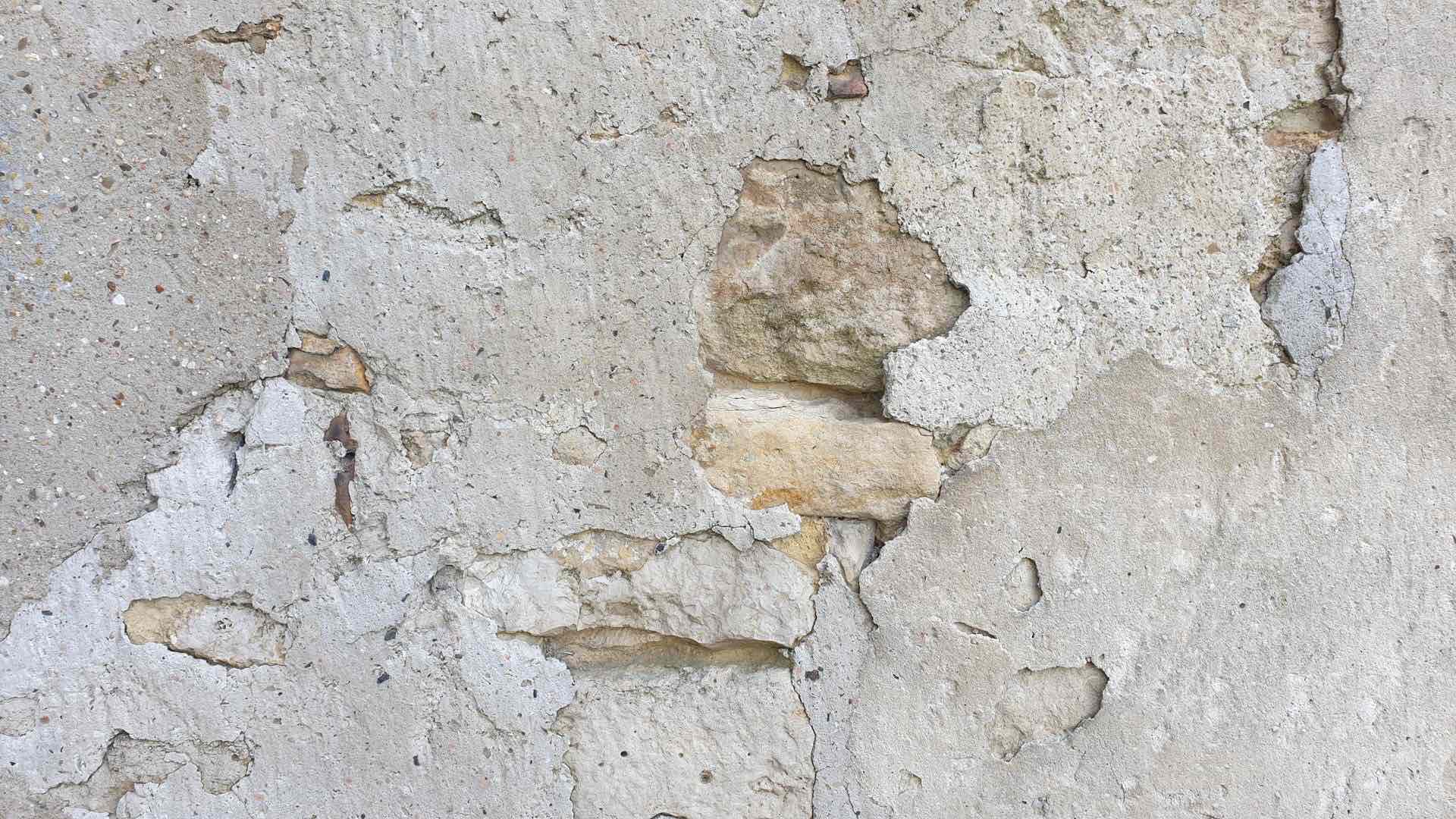
The quote you get depends on who tested the wall, not just who showed up.
Two contractors can stand in front of the same house and hand you two completely different numbers. One says $6,000. One says $55,000. That gap isn’t always dishonesty. Sometimes it’s the difference between a contractor who tested the wall and one who didn’t.
Stucco failure in SE Pennsylvania isn’t one problem. It’s a spectrum. On one end, a single window return with a missing kickout flashing, leaking for a few years, damage contained to one stud bay. On the other end, no weather-resistant barrier anywhere on the house, moisture traveling behind the entire assembly for a decade, framing compromised on every elevation. Both of those houses have “a stucco problem.” They do not have the same problem, and they should not get the same scope of work.
How the decision actually gets made
Before anyone prices this job honestly, four things have to be established. Skip any of them and the number that follows is a guess.
What the moisture testing shows
Invasive probe testing tells you moisture content inside the wall assembly, not just surface readings. Elevated readings on one wall don’t mean the whole house is compromised. Elevated readings on every wall usually do. This is the single most important data point in the entire decision, and it’s also the step most often skipped by contractors trying to close a sale on the first visit.
Whether a weather-resistant barrier is actually present
A lot of homes built in this era have stucco applied direct to the sheathing, no building paper, no housewrap, nothing between the stucco and the wood. If that’s the case, water intrusion isn’t a flashing detail you can fix in isolation. It’s a systemic gap, and patching around it just moves the failure point somewhere else on the same wall.
How far the framing damage extends
Surface moisture is one thing. Rotted sheathing and compromised studs are another. Once you open the wall and find soft framing beyond the immediate leak point, the job has already changed size, whether anyone wants it to or not.
How many elevations are affected
A house with one bad elevation, usually the one that takes the most wind-driven rain, is a different project than a house failing on all four sides. Remediation scope should track elevation-by-elevation testing results, not a flat assumption that if one wall is bad they all are.
The two ways this goes wrong
There are two failure modes in this market, and they pull in opposite directions.
The first is the contractor who tests one soft spot, doesn’t test the rest of the house, and quotes full remediation on all four elevations anyway. It’s the safer sale for him. It’s also often three times the job the house actually needs. If a contractor recommends full remediation without probe testing every elevation first, ask why. There should be a data-backed reason, not a default.
The second failure mode is worse, because it doesn’t show up right away. This is the contractor who patches the visible symptom, new stucco over the same missing weather barrier, same flashing details that failed the first time, and hands you a job that looks finished. It holds for a season, maybe two. Then it fails again, usually a little worse, because the water was never actually stopped. It just found a new way in.
Both of these contractors will tell you they’re being honest with you. Only one number they give you will actually match what’s happening inside your walls.
A framework you can actually use
- Ask to see the moisture readings, not just hear a verbal summary. A legitimate assessment produces a report with numbers on it.
- Ask whether testing was done on every elevation or just the one with visible symptoms.
- Ask what the weather-resistant barrier situation is, and whether that answer came from opening the wall or from an assumption based on the build year.
- If someone quotes a number before any invasive testing happens, that number isn’t a diagnosis. It’s a guess with a dollar sign on it.
- If the recommendation is full remediation, ask what specifically was found that rules out a targeted repair. There’s always a specific answer if the testing was actually done.
A typical case
A 1990s Colonial in a Chester County development, stucco applied direct to sheathing with no weather barrier, the classic build-era combination. The listing inspection flagged elevated moisture on the north wall, the wall that gets the least sun and the most standing dampness after storms. Probe testing across all four elevations showed the north wall was genuinely compromised, soft sheathing behind two window returns. The other three elevations tested dry, no barrier but no active intrusion either, because they’d never taken on the same volume of water. The honest scope was a targeted repair on one elevation, not a full remediation, even though the house technically had no weather barrier anywhere. The absence of a barrier is a risk factor. It isn’t automatically a full-remediation sentence on its own.
Where to start
If you’re holding an inspection report right now and trying to figure out which kind of quote you’re going to get, start there. Send us your inspection report. We’ll tell you what it actually means, and what fixing it should cost. One business day, no obligation, and no number attached until the testing supports it.