The sentence that put you on this page
The report lands a few days before closing, and it reads something like “elevated moisture readings present at multiple wall penetrations, further evaluation recommended.” Or “conducive conditions observed at kickout flashing locations.” Whatever the exact wording, the effect is the same. Your closing is now in question, or your buyer’s is, and nobody has explained what any of it actually means.
Inspectors in this market, especially those certified through EIFS Diagnostics or Building Envelope Science Institute protocols, are trained to find moisture and describe where it is. They are not, in most cases, trained or licensed to scope and price a repair. That’s a different trade. The report tells you where the meter picked up a reading. It doesn’t tell you whether that reading means a $4,000 flashing repair or a $60,000 full remediation, and the gap between those two numbers is enormous.
What the report is actually flagging
Most SE PA stucco reports describe moisture by location: window heads, window sills, deck ledgers, roof-to-wall transitions, below grade at the foundation line, chimney chases. These are the places where synthetic and traditional stucco applied direct-to-sheathing, without a proper weather-resistant barrier or kickout flashing, let water in during this build era. If your report names three or four of these locations, that’s consistent with what we see across houses built in the same window, roughly 1993 through 2006, in the same zip codes.
The report usually includes a number next to each flagged location, a moisture percentage or a meter reading. A high number at one window head is a different situation than the same high number repeated at every window on the house. The report gives you the number. It rarely gives you the interpretation.
Sound versus needs investigation
A “sound” reading means the meter picked up normal ambient moisture, the kind every exterior wall has, with no indication of trapped water behind it. A reading that needs investigation is one elevated enough, at a location vulnerable enough, like a window return or a kickout, that it’s worth opening a small section to look. Opening that section and finding intact sheathing underneath is a good outcome, and it happens more often than homeowners expect. A stucco wall can read wet at the surface without the sheathing behind it having failed yet.
Why a flagged reading doesn’t always mean full remediation
This is the part most homeowners get wrong on their own, understandably, because nobody in this market explains it before quoting. A flagged reading at two locations on one elevation is a repair. The same flagged reading repeated across every elevation, especially paired with visible cracking, staining, or soft caulk joints, is a different order of problem. Reading the report side by side with the house, not the report alone, is what separates an honest quote from a guess.
How we read your report
Send us the report. Most homeowners send the full PDF from their home inspection along with any photos the inspector took of the flagged areas. We read it against what we know about the build era, the development if we recognize it, and the specific language the inspector used. Within one business day, you get a plain-language explanation, not inspector shorthand, of what the flagged readings likely mean, along with a realistic cost bracket: repair, partial remediation, or full remediation. There’s no site visit required for that first answer, and no obligation attached to asking.
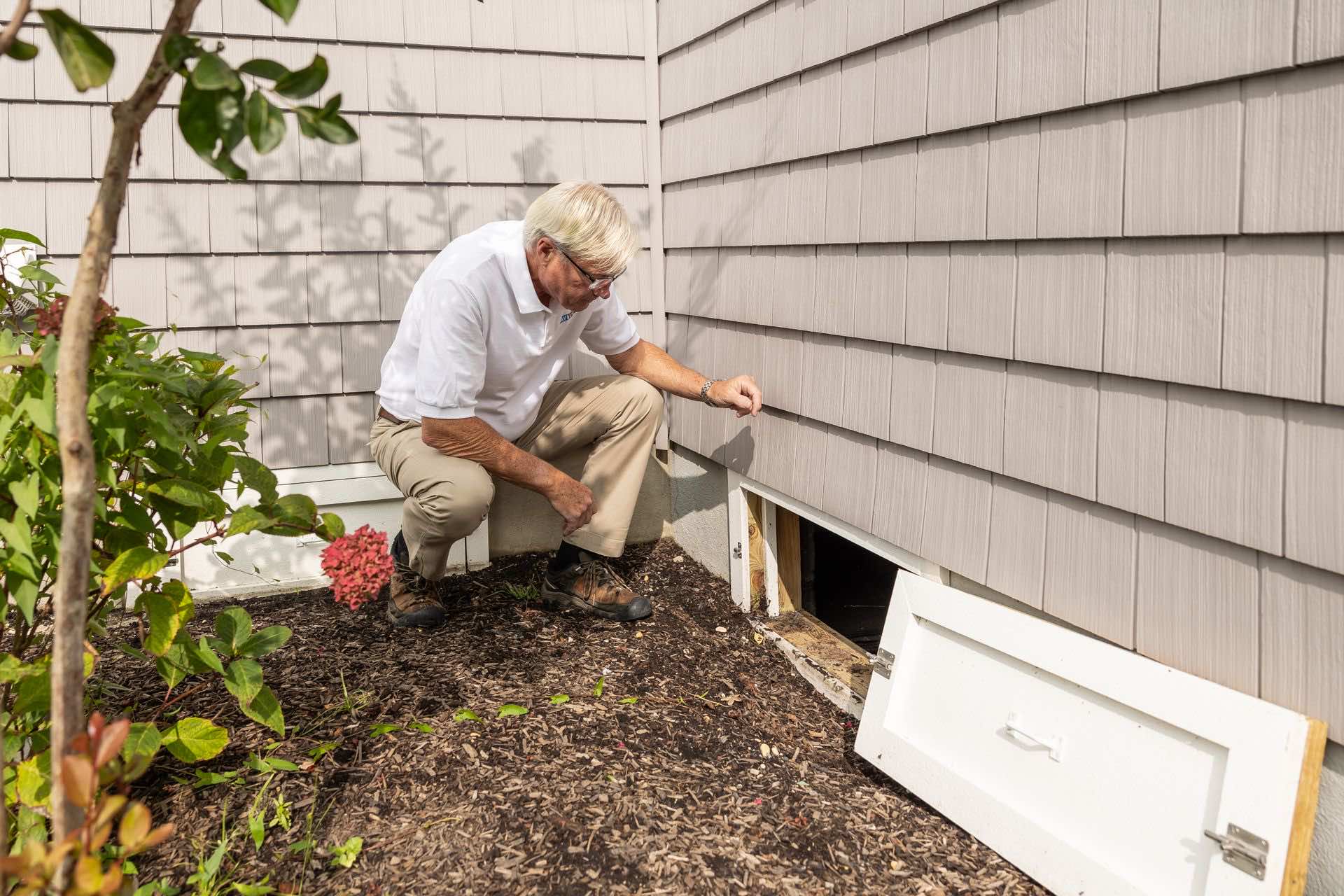
If the bracket points toward something that needs a closer look, the next step is our own moisture testing on site: meter readings first, then targeted probe testing at the flagged locations, to confirm scope before anyone commits to a number.
A typical case
A 1996 stucco Colonial in a Bucks County development came to us with a pre-sale inspection flagging elevated readings at two window heads and one deck ledger. The seller expected a full remediation number based on the report alone, since a neighbor’s identical model house had needed one two years earlier. Our probe testing found intact sheathing at both window heads and only localized damage at the deck ledger, where flashing had never been installed correctly. The fix was a targeted repair at three locations, not a whole-house remediation, and the sale closed on the original timeline.
Send us your report
This page exists for one reason: to get you a straight answer on what your inspection report actually means before you spend money finding out the hard way. Send us your inspection report. We’ll tell you what it actually means, and what fixing it should cost, within one business day. No obligation, no site visit needed to start.