The number on a full remediation quote is what stops people. It shouldn’t, not yet.
Most homeowners who call us about a Collegeville property have already imagined the worst figure they’ve heard, and it’s usually a full-remediation number applied to a problem that hasn’t been diagnosed yet. Before any number matters, the house needs to be looked at properly.
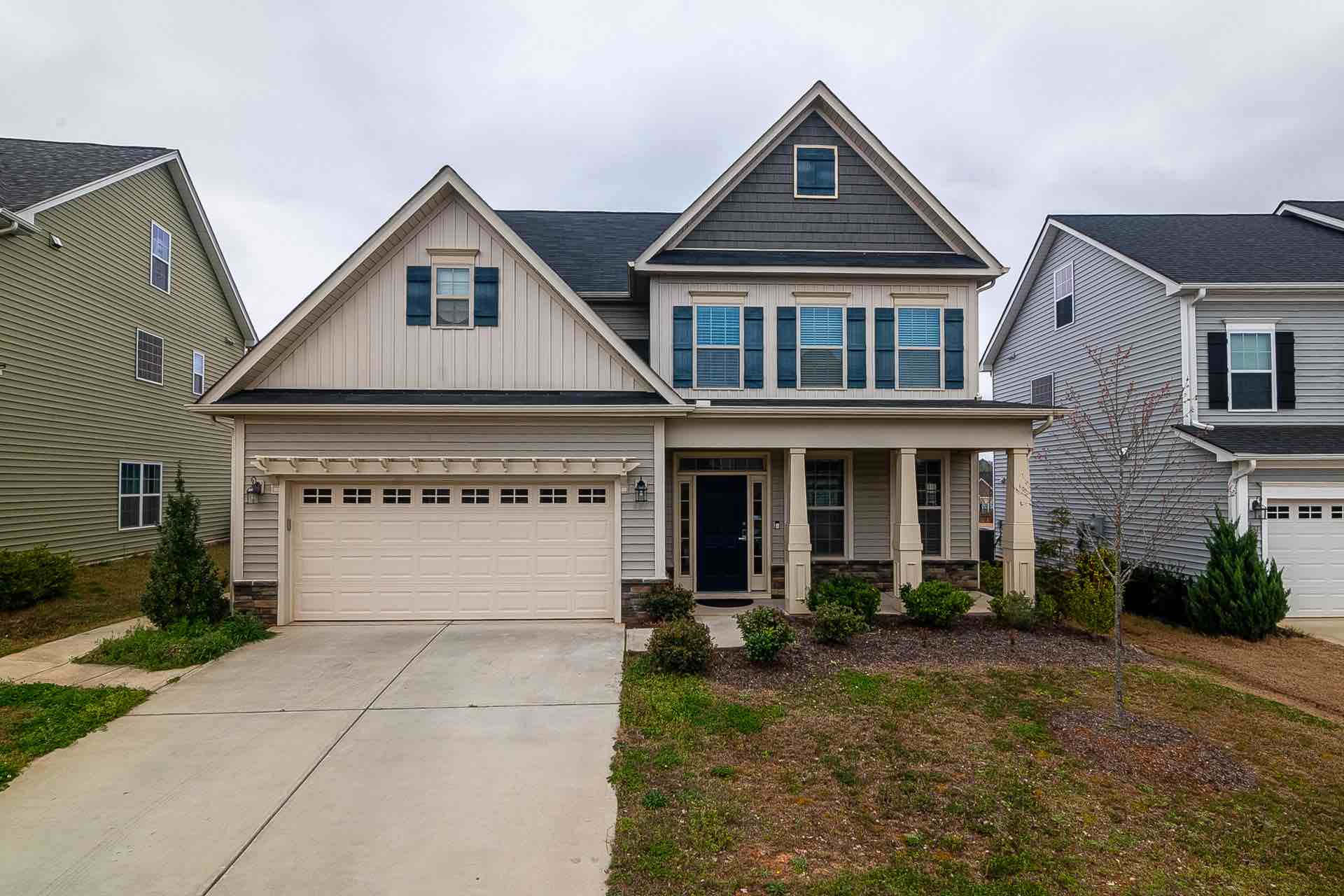
Collegeville sits along the Route 29 and Route 113 corridor near Ursinus College, and that corridor saw significant residential development through the 1990s and 2000s boom. Large subdivisions of stucco-clad colonial and Craftsman-style production homes went up fast during those years, which is exactly the build window SE Pennsylvania’s stucco defect crisis traces back to.
Why production-home subdivisions are a common source of calls
Subdivisions built quickly, on a schedule, with the same crew installing the same detail on house after house, tend to carry the same installation errors consistently across the development. That’s not unique to Collegeville, it’s the pattern behind the regional crisis, and we go through the construction-level cause in our guide to why SE Pennsylvania stucco fails. What it means locally is simple: if your street went up during that boom, your neighbors’ houses are a reasonable predictor of what’s behind your own walls, for better or worse.
What an inspection flag means before you assume the worst
An inspector flags stucco for further evaluation because they saw something, not because they know what it is. Cracking near a window, a soft spot at grade, staining below a roofline transition, any of these can mean a contained repair or a wall system that’s been wet for years. The only way to tell the difference is moisture testing, which we cover in detail in our piece on stucco moisture testing. Guessing from the report alone is how people end up either overpaying for reassurance on a minor issue or underestimating a real one.
What remediation actually costs, by scope
Targeted repair on a contained problem area runs $3,000 to $12,000. Partial remediation, one wall or elevation with confirmed moisture damage, typically runs $15,000 to $40,000. Full remediation on a house with widespread failure across the assembly runs $40,000 to $90,000 or more. Most Collegeville subdivision homes we’ve looked at land in the first two tiers, not the third, once they’re actually tested. Our cost guide explains what pushes a job from one tier into the next.
Get a real answer before you plan around the worst-case number
Send us your inspection report. We’ll tell you what it actually means for a production-built home from this era, and what a realistic fix should cost, usually within one business day. If you’d rather have someone walk the exterior with you directly, request a free site evaluation.